Portfolio: Future of Learning
In collaboration with Amy Bickerton & Alison Meier
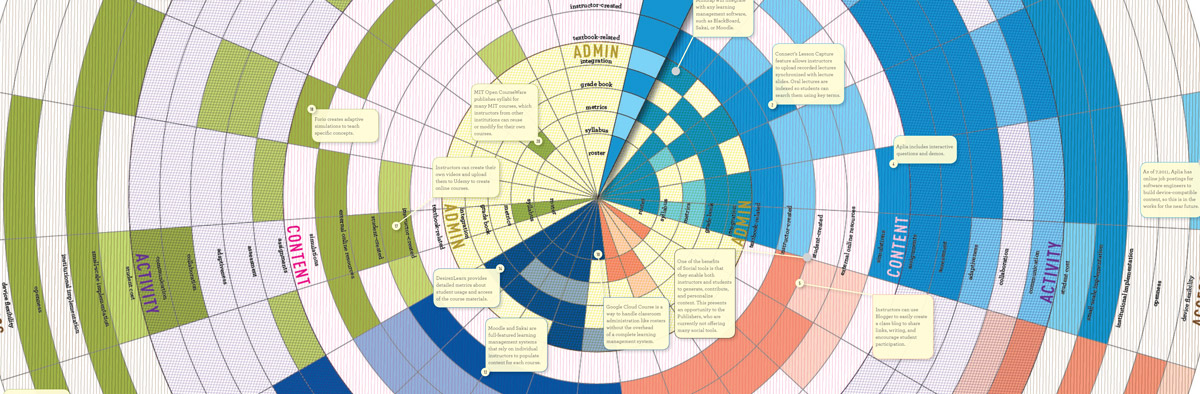
The goal of this project was to
understand the current state of learning in a
college environment, and gather insights on
unmet needs for possible future product development.
This was conducted via thorough competitive analysis following
extensive testing of existing online learning tools, followed by a
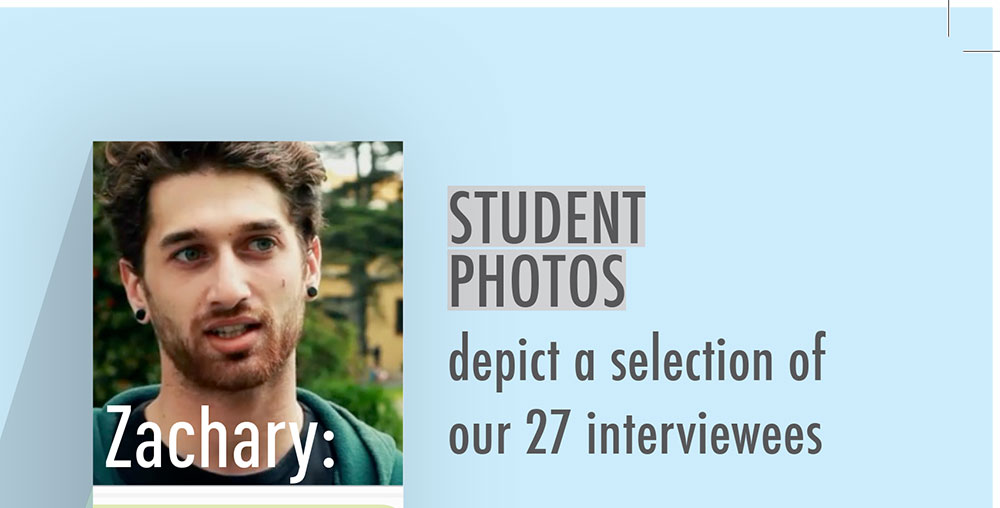
series of 28 on-campus interviews at three different San Francisco universities to evaluate students’ current
learning experiences and what they might expect or hope for in the
future learning landscape.
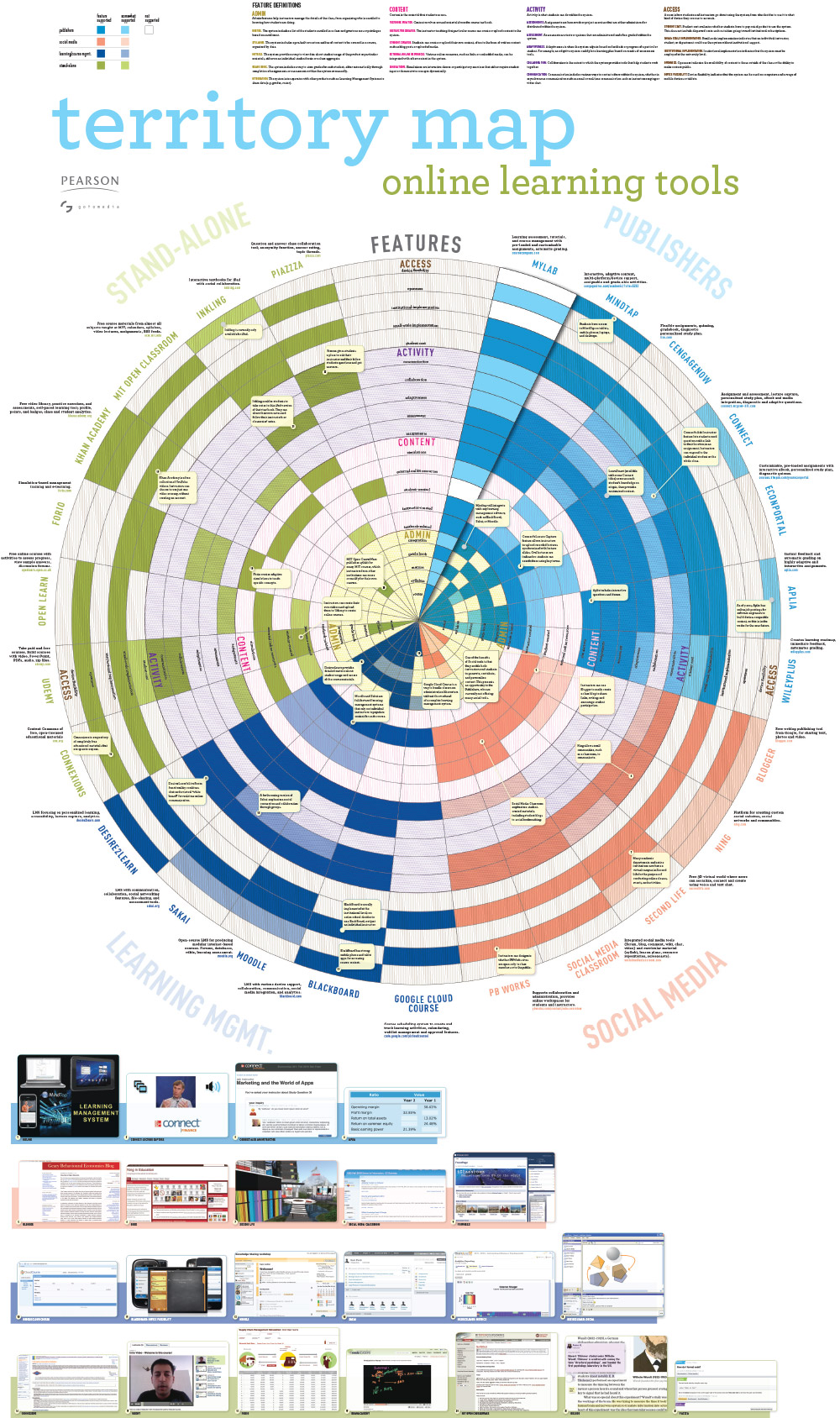
At least half of the findings fall into a new category we created
(that does not appear on the original Territory Map) called
Collaboration, Communication and Community. This category describes
activities and communication relevant to the entire learning group
rather other than a one-to-one or one-to-many connection, and is not
necessarily tied to assignment based-work.
Students all responded to personalization of the materials – not
just personalized to them or their learning style, but acknowledged
that their instructor was providing insights from his/her own
experience.
Creating a representative personality or voice is also important
for students – uploading images of students, allowing for
personalization, etc. This is especially true in the realm of group
work, where visualizations of data and information are vitally
important for group work. There is no evidence of these kind of
management tools currently being used in our assessment of learning
products and tools.
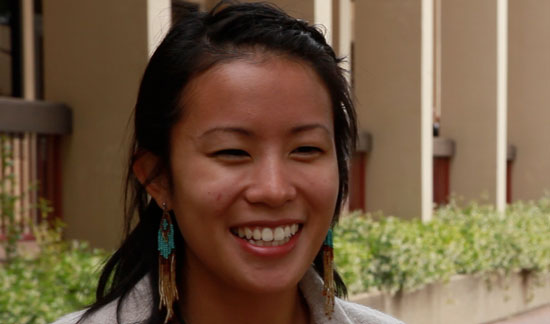

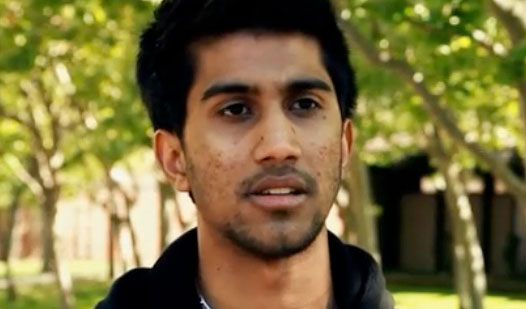
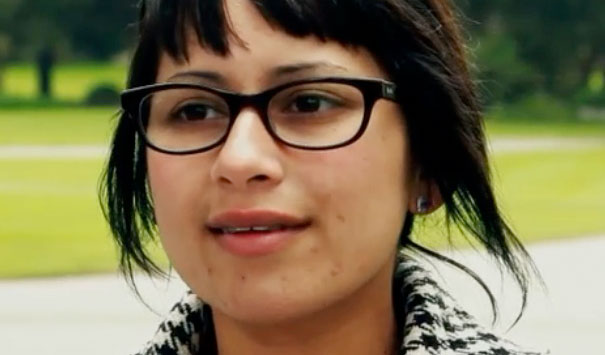
Methodology
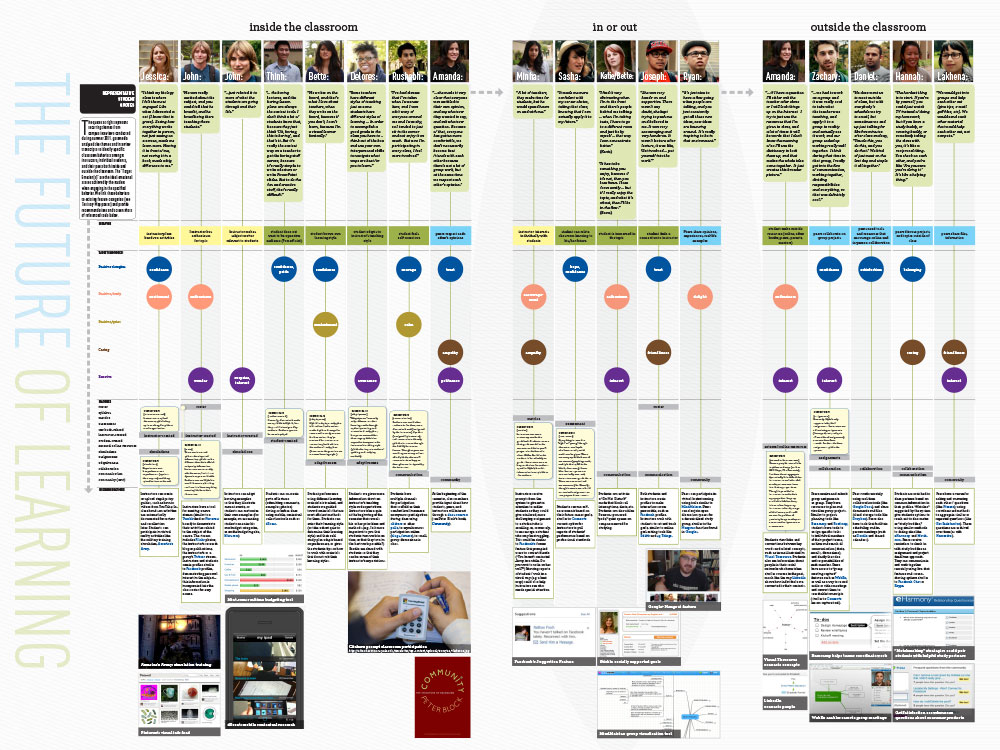
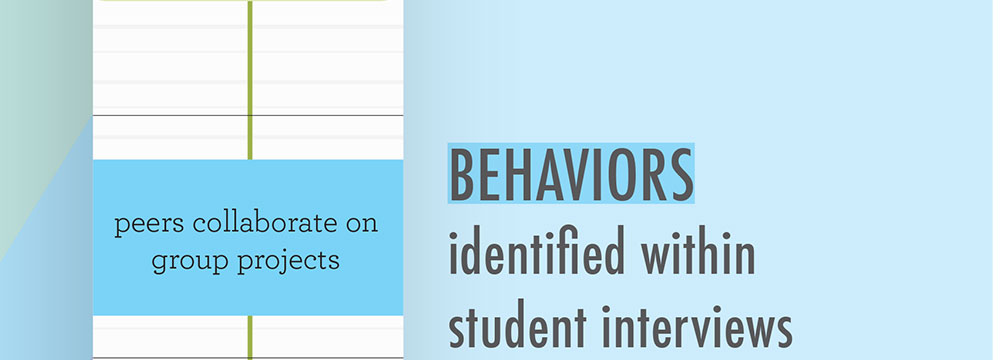
- After transcribing the content, the research team combed the interviews for common behaviors described by the students.
- Once a set of behaviors was identified, we looked for similarities and condensed them into groups, when possible.
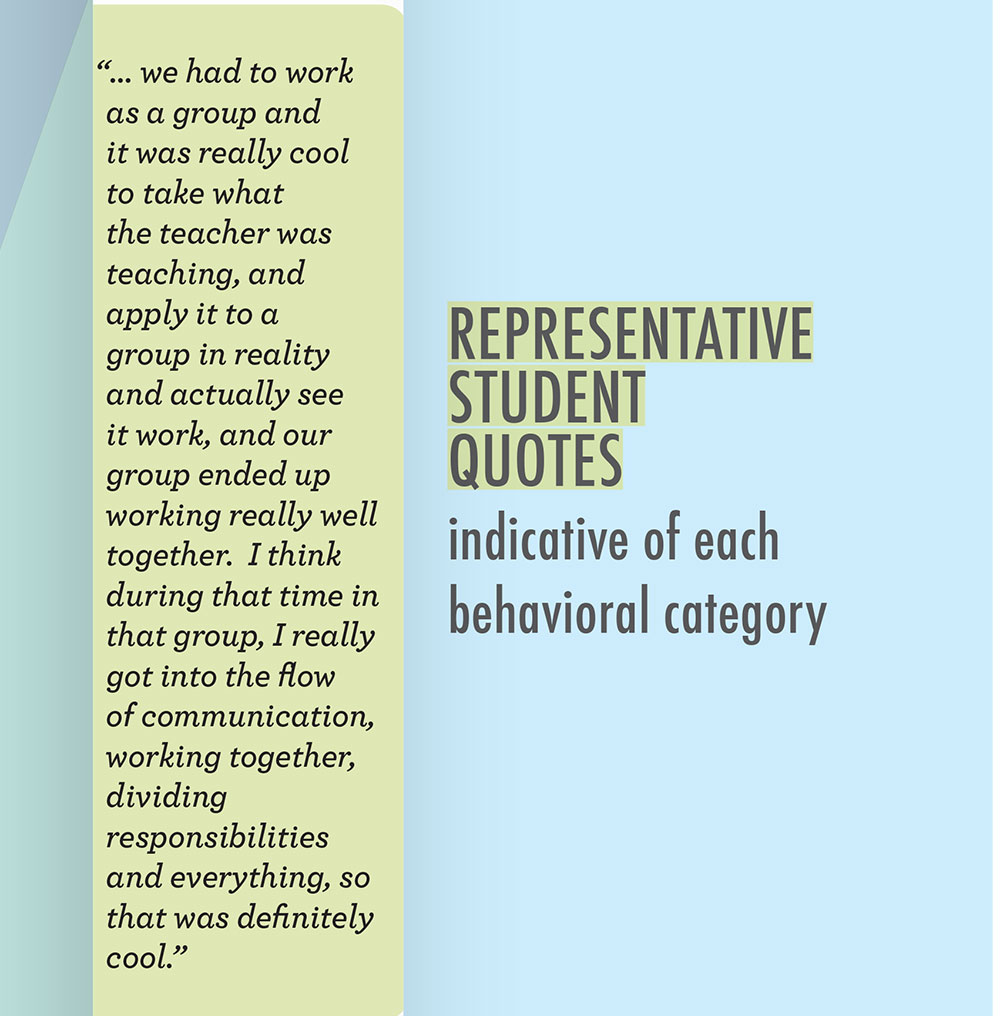
- Representative student quotes were selected to illuminate the behaviors.
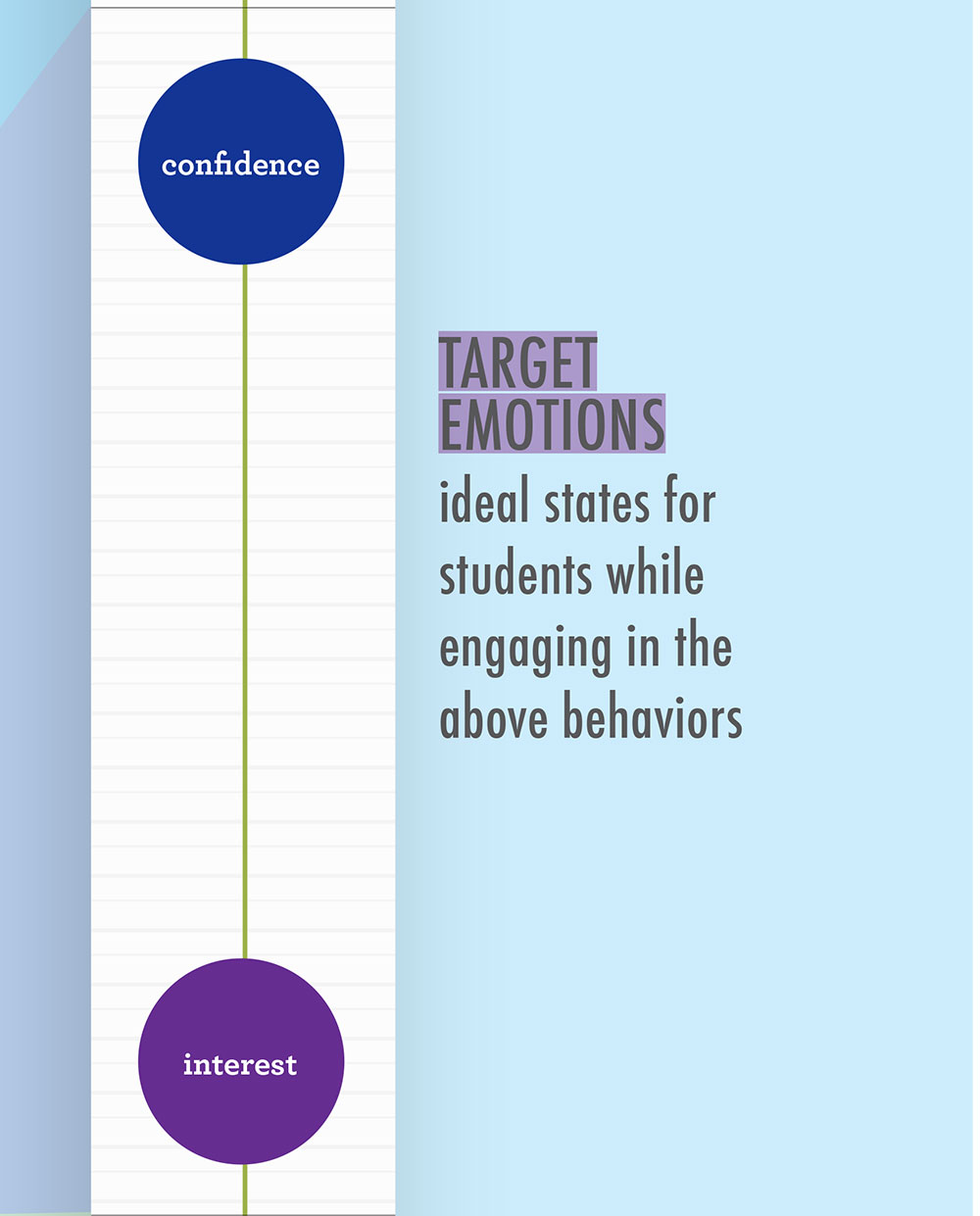
- Emotions and emotional language were also noted and connected to respective behavior(s). We interpreted this language to determine “Target Emotion(s)” (see poster) for each behavior.
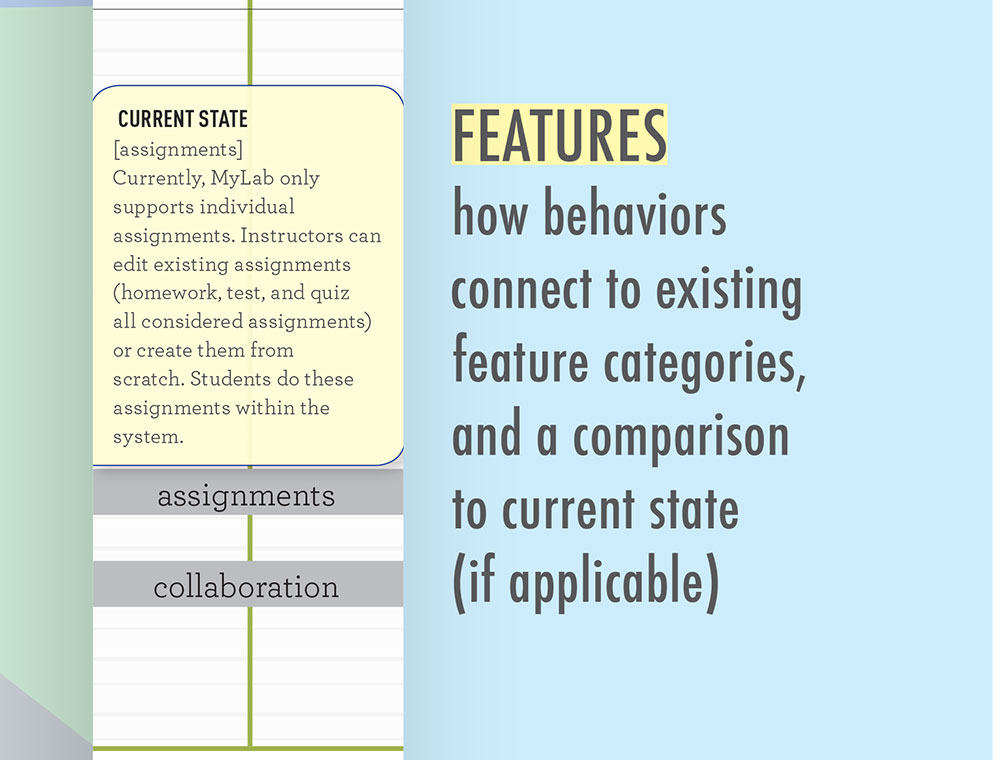
- The behavior was linked to Pearson’s existing feature set (see Territory Map) and, when possible, Pearson’s current state.
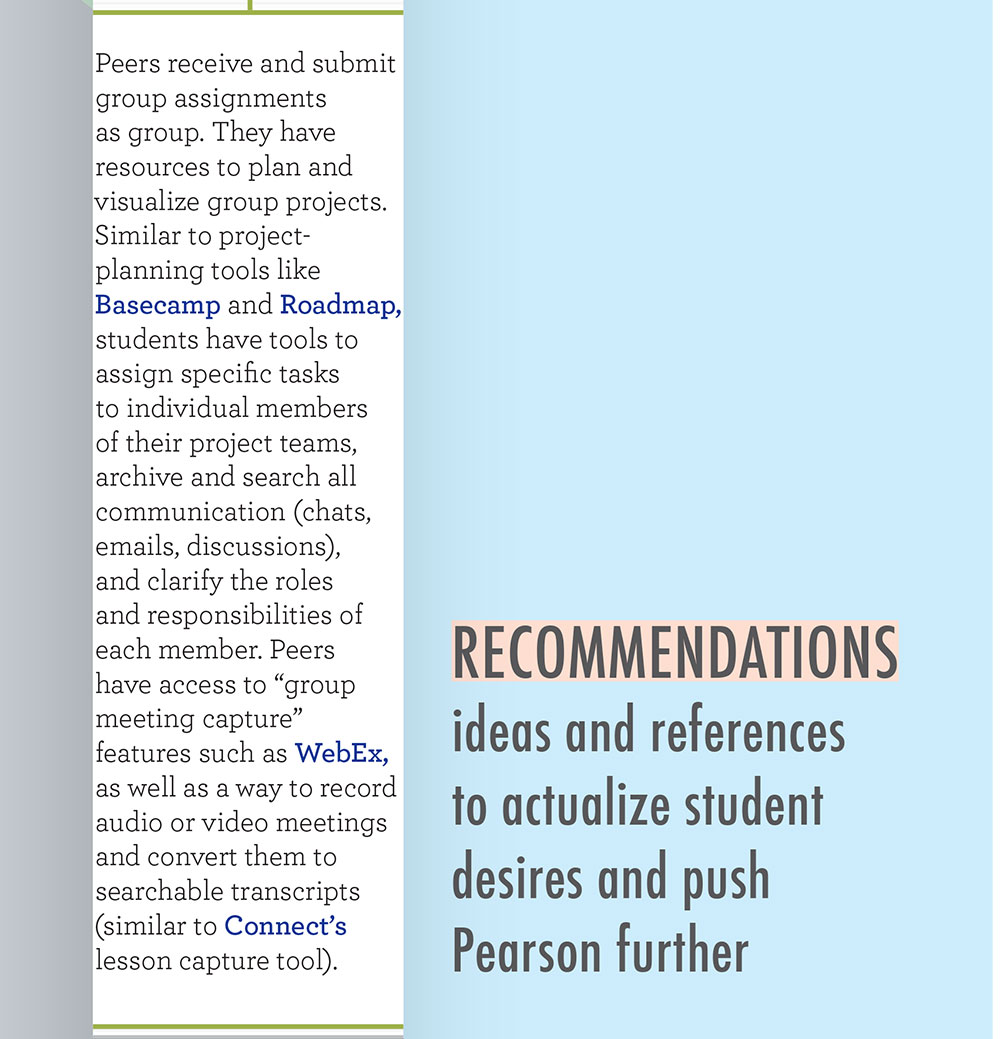
- A recommendation was developed for each behavior, including references to specific software, tools and/or media.
Select another project
research / service
Master's Thesis
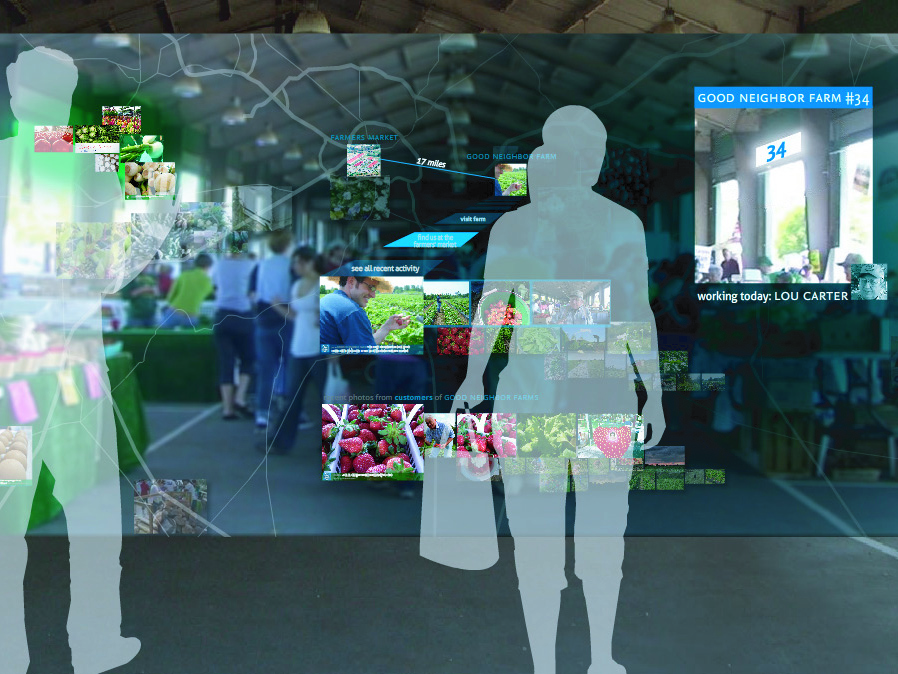
Leveraging social tools to build a sustainable food network
service
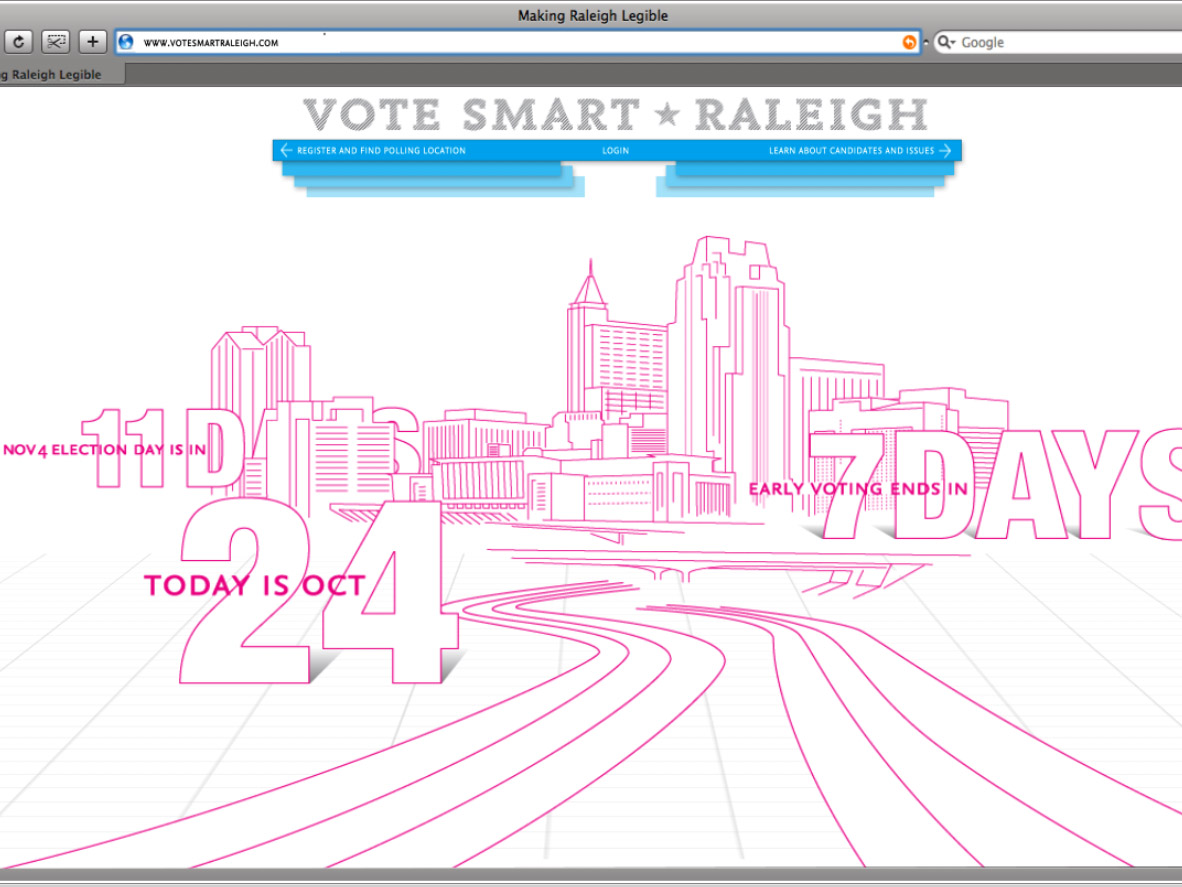
votesmartraleigh
Orienting residents spatially & informationally to all aspects of the voting experience
YOU ARE HERE:
the future of learning
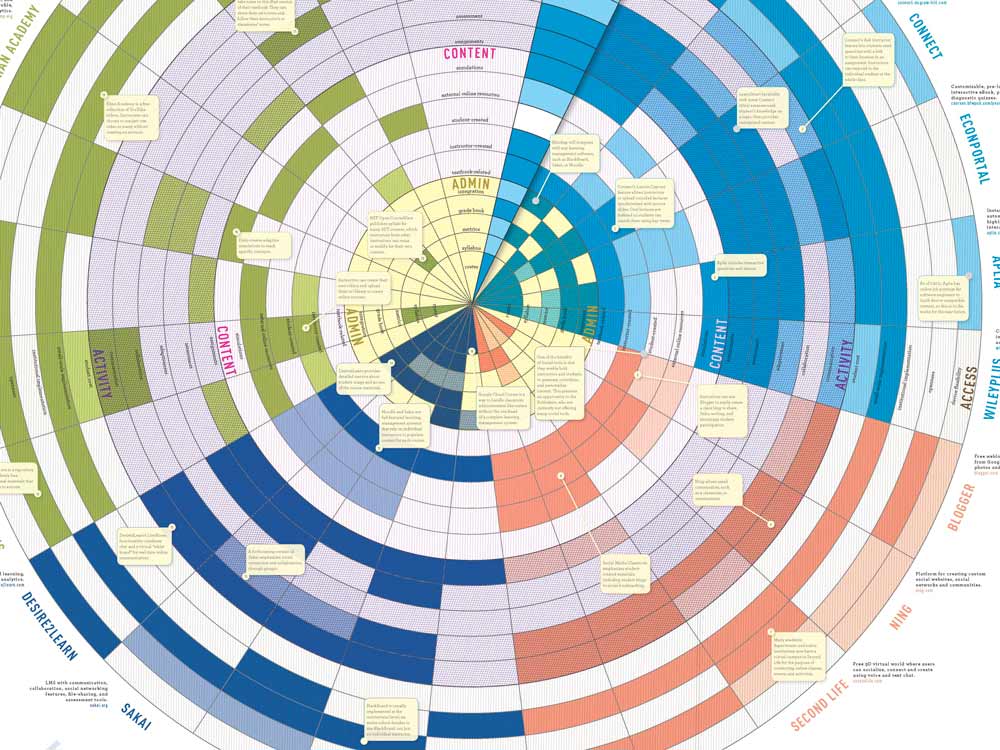
Investigating learners' habits, existing online learning tools, & assessing needs
interdisciplinary
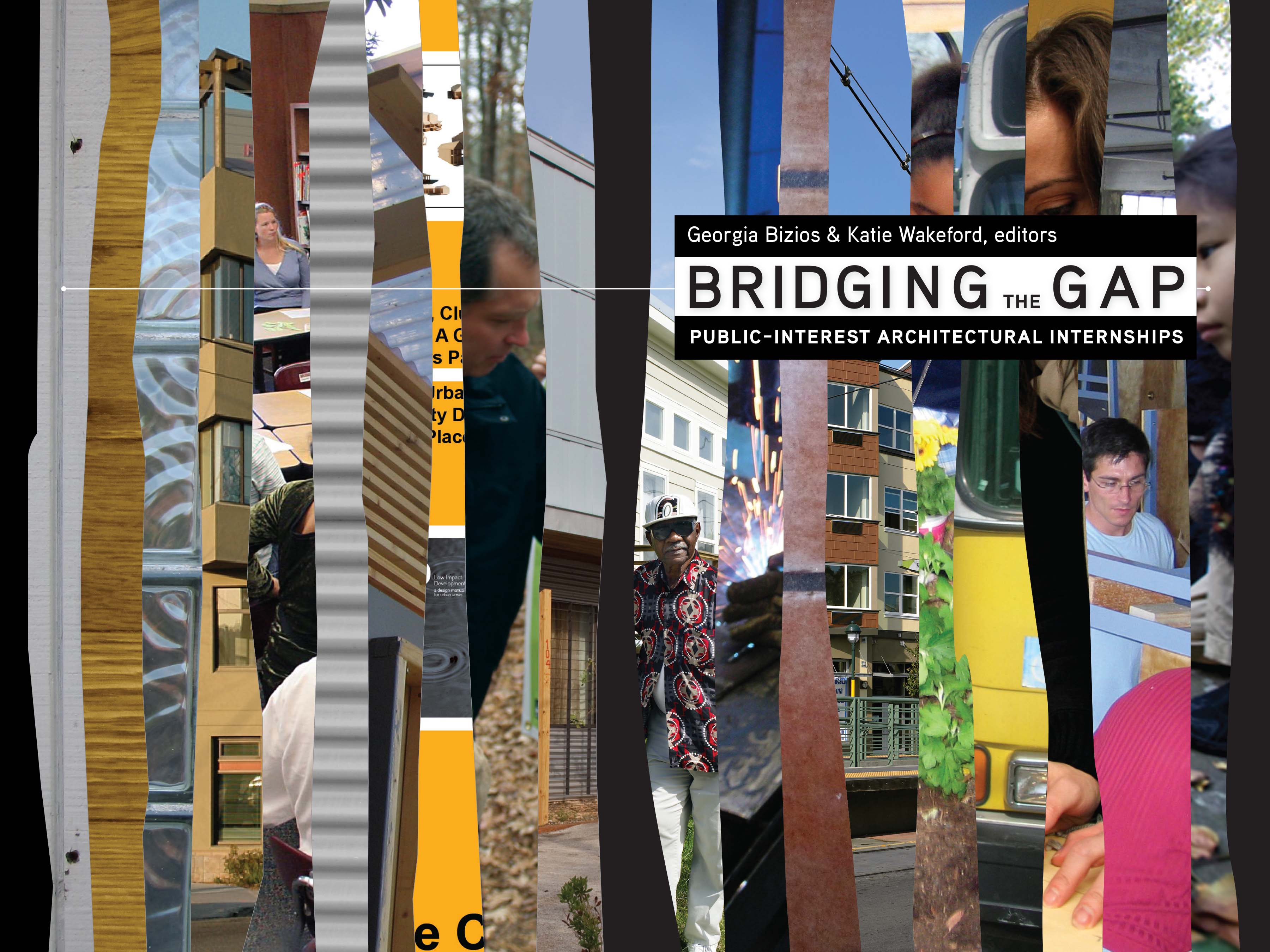
bridging the gap
Book & ebook about public-interest architecture co-designed with architects
microsite
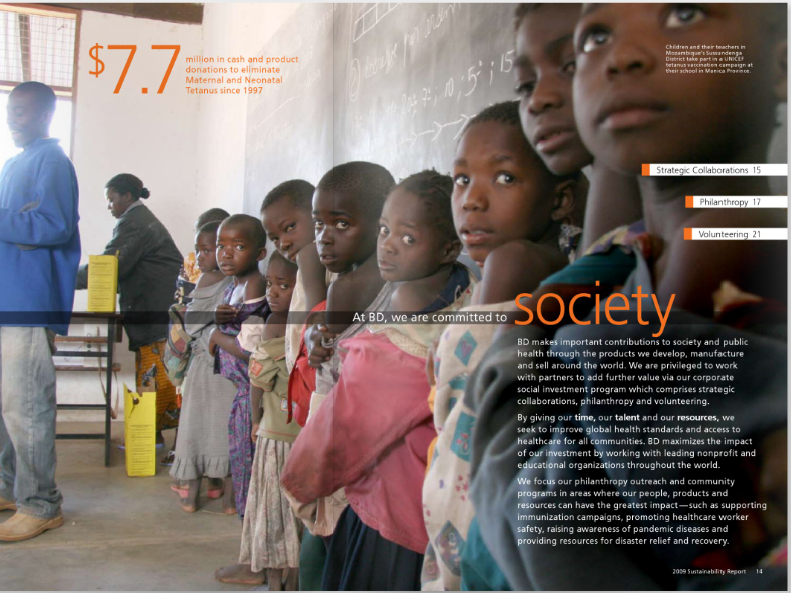
socialresponsibility
Corporate social responsibility microsite and companion ebook
research / workshop prompt
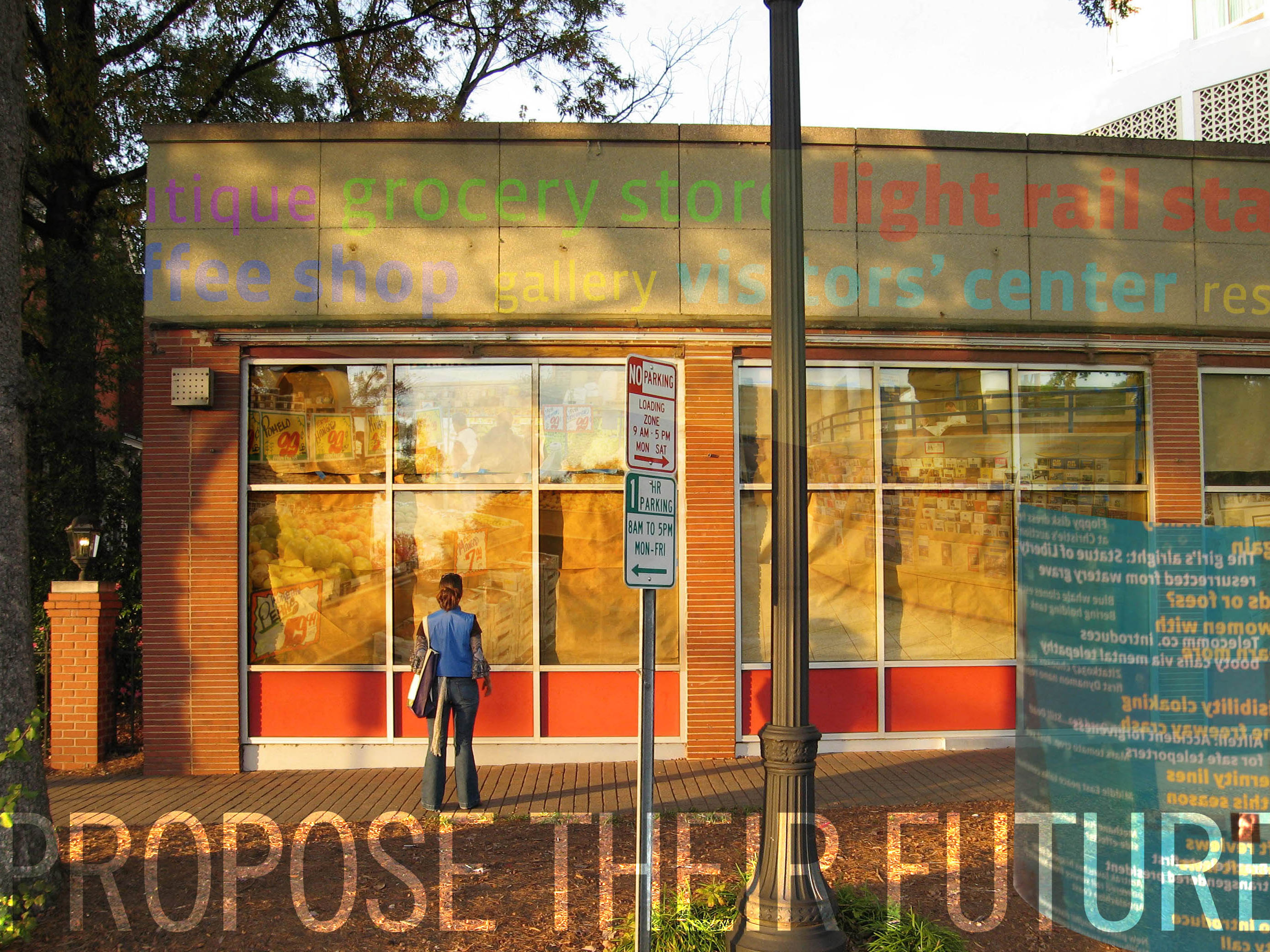
urban renewal
"What if these spaces were up for debate...and the public could propose their future?"
service
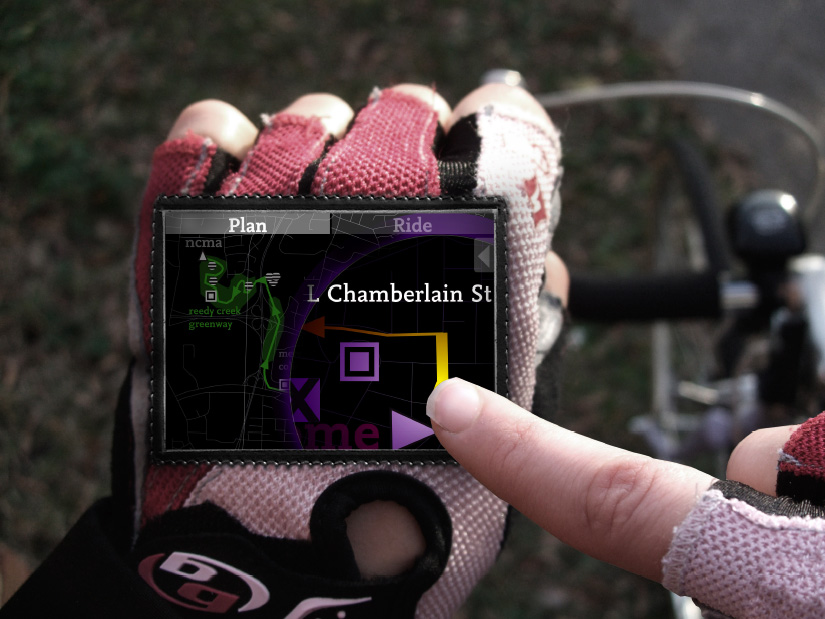
social cycle
A wearable, multi-sensory wayfinding system created by and for cyclists.
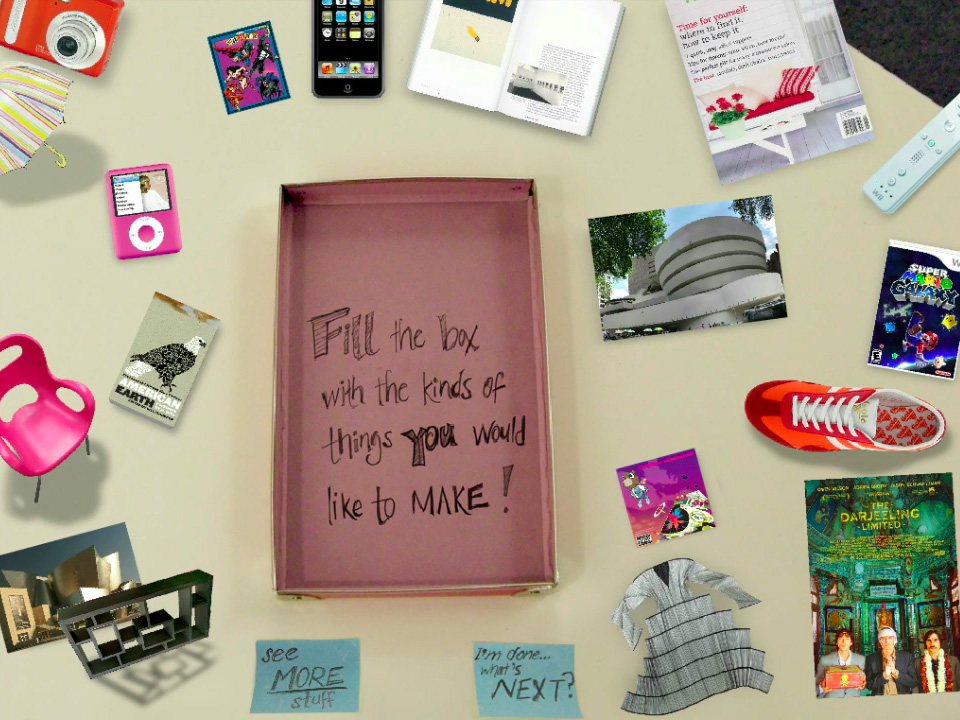
research / experience
design camp explorations
Studies in virtual and physical community-building among learners
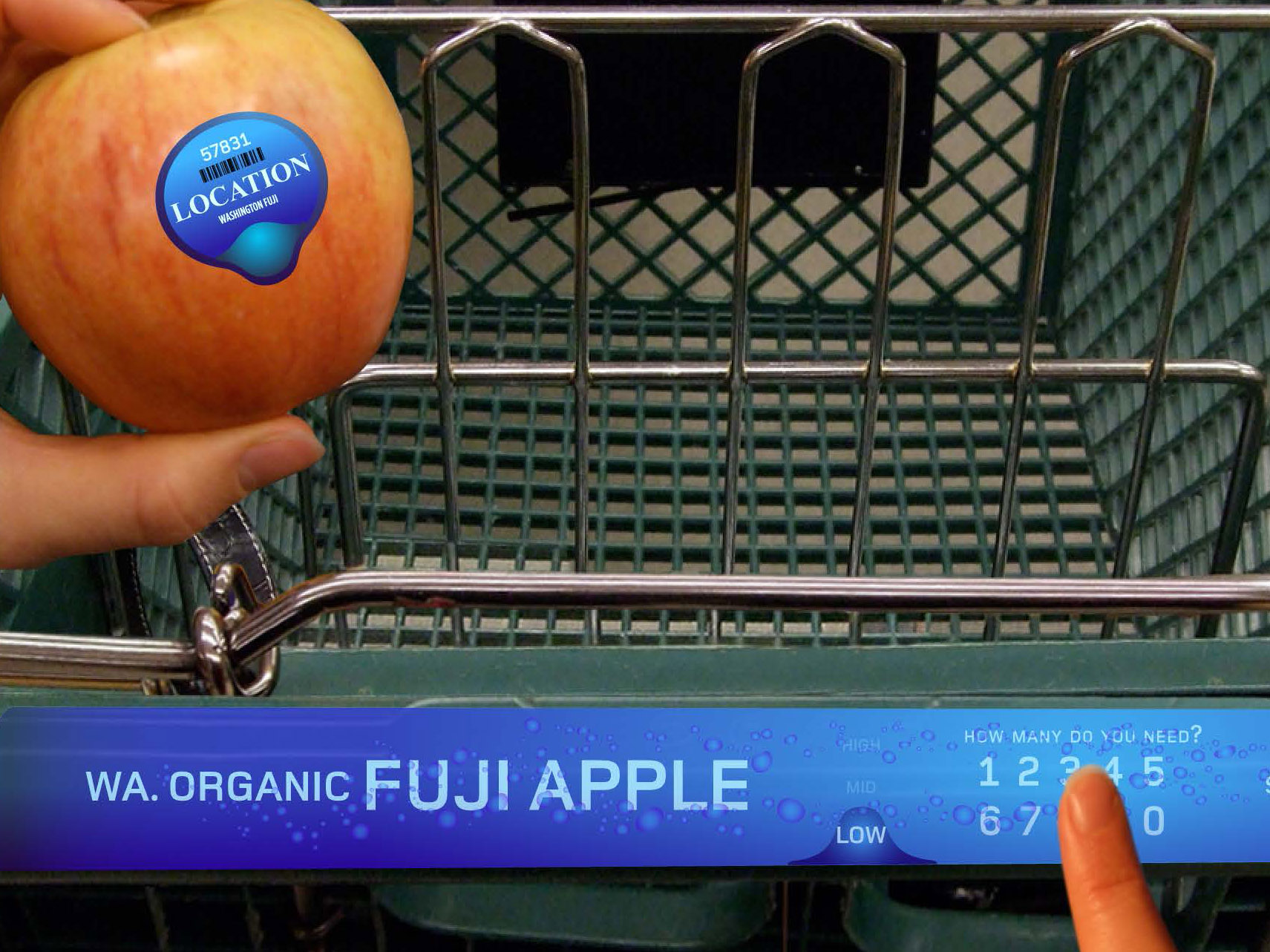
research / experience
invisible water
Prompting consideration of water use in unexpected ways at the grocery store.
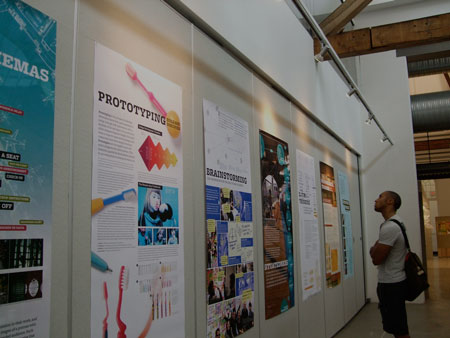
collaboration
design thinking exhibition
In an effort to expose freshmen to Design Thinking, we designed an exhibiton about design. So meta.