Portfolio: Invisible Water
In collaboration with Samyul Kim
invisible water: a series of collaborative design interventions
Most westernized cultures take water for granted, especially the water they cannot see. “Virtual Water” is the water invested in the production of goods and services; invisible water is the water we unknowingly consume. We can improve some of the systemic problems of our water supply by intervening in direct water relationships. However, we must also acknowledge that many activities which may not appear to impact our water system profoundly shape the quantity and quality of water available to us. Habits and systems of individual consumption, recreational activities, energy use and food production dramatically impact local, national, and global water systems. As designers, our task is to illuminate these hidden connections so that people become aware of their comprehensive water footprint, to raise consciousness of the true cost and value of water, and to ultimately reshape our relationships with our most vital resource.
Kelly M. Murdoch-Kitt & Samyul Kim:
Wasted Food is Wasted Water
Robert Ruehlman & Lincoln Hancock:
Using Energy Uses Water/Using Water Uses Energy
Brooke Chornyak & Dan McCafferty:
Shared Values for Shared Water
Tony Fugolo & Liese Zahabi:
See Our World, Save Our Water
Wasted Food is Wasted Water
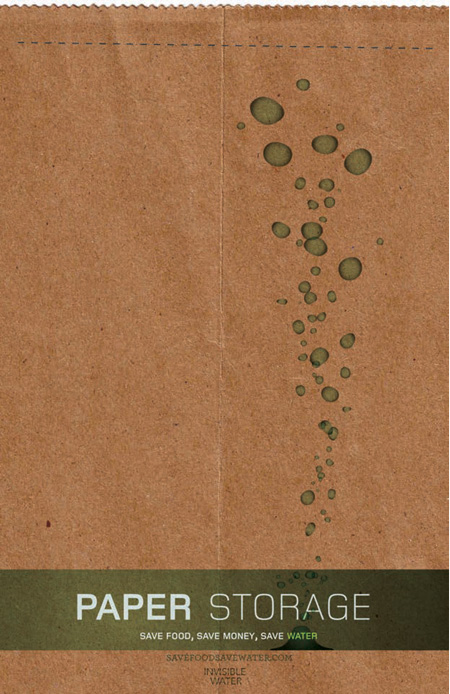
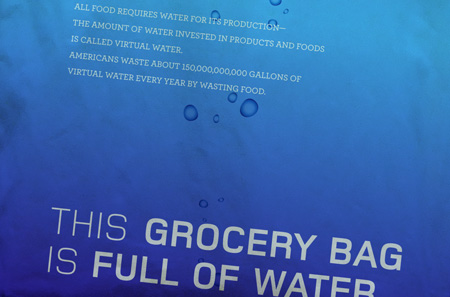
A huge percentage of the United States’ water supply is consumed by the various levels of the agriculture industry, from the field to the fork. The amount of water it takes to make a product or food is called its ‘virtual water’ content. Consumers are unaware of the connection between the foods and beverages they consume and the resources invested in them— including water. Changing our conventions of food consumption and food waste would have a great impact on water.
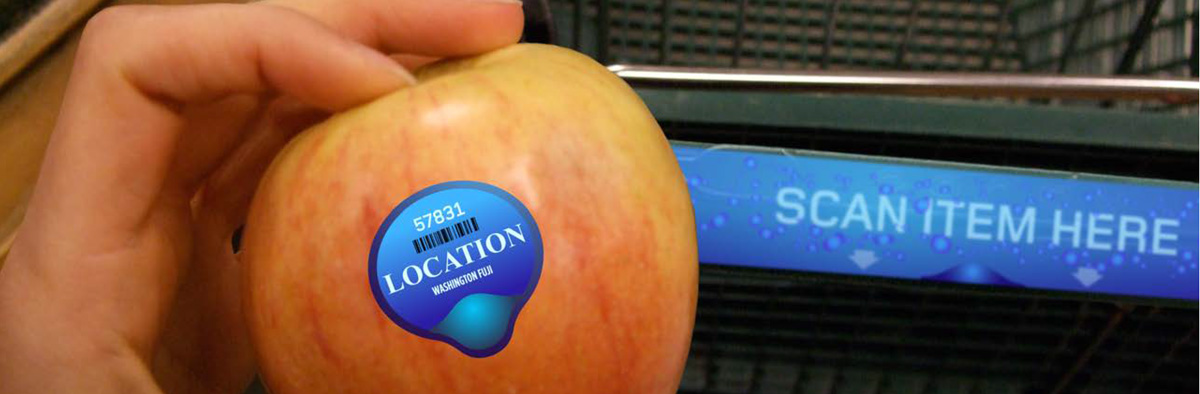
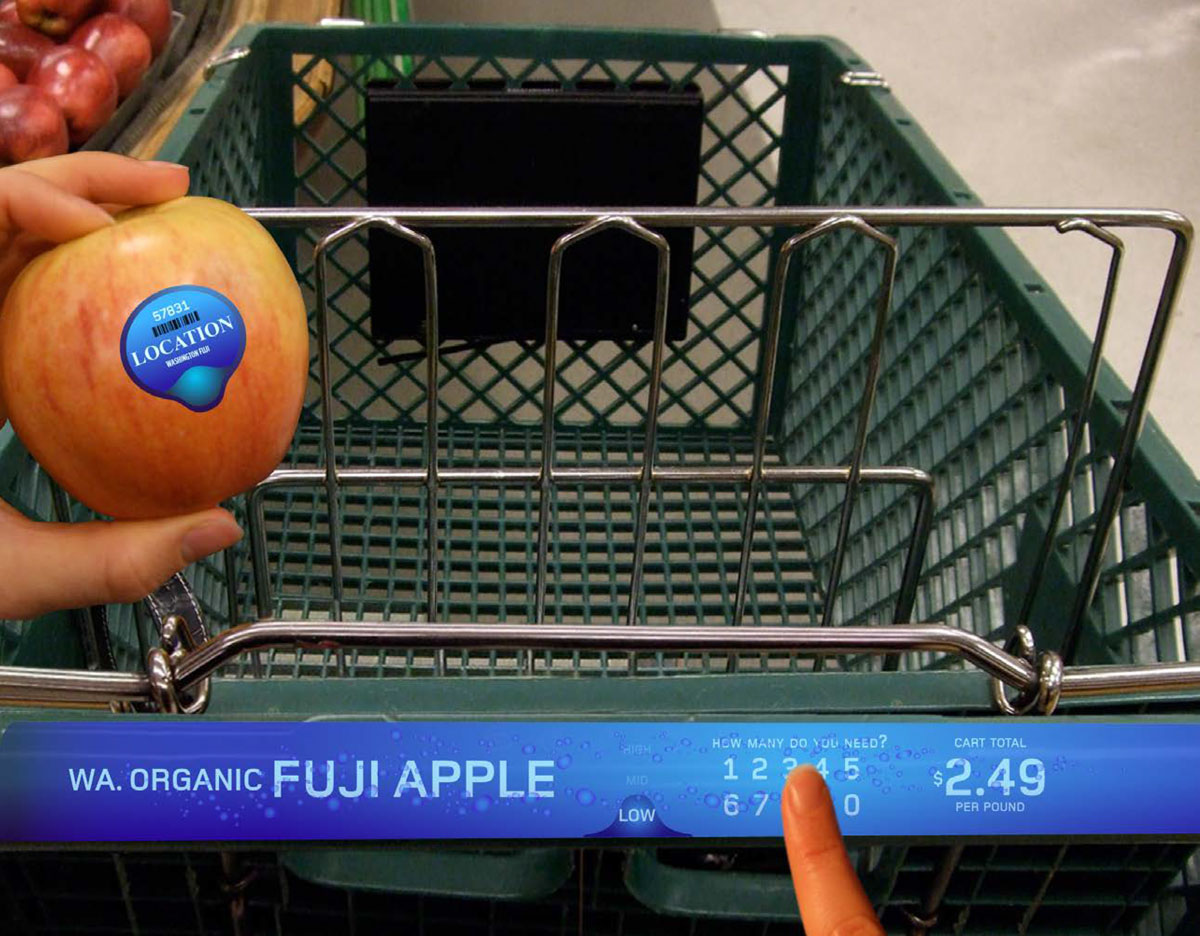
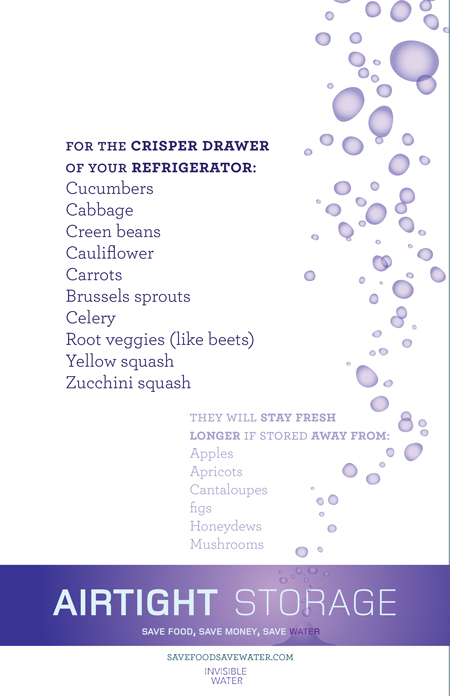
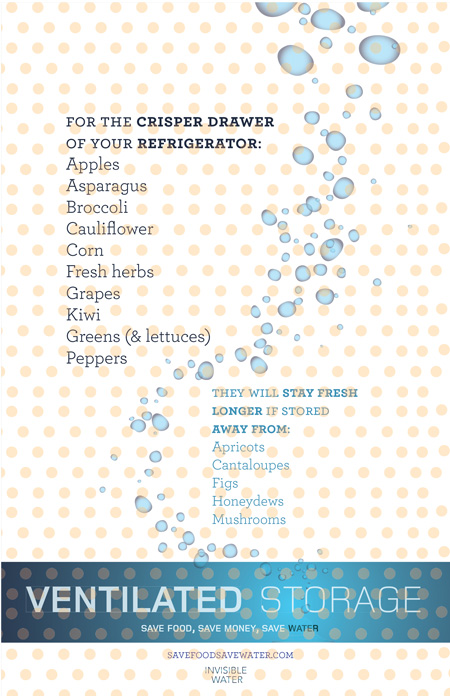
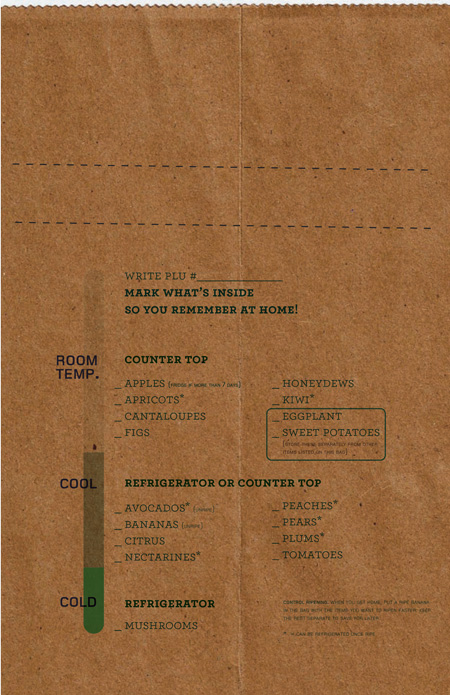
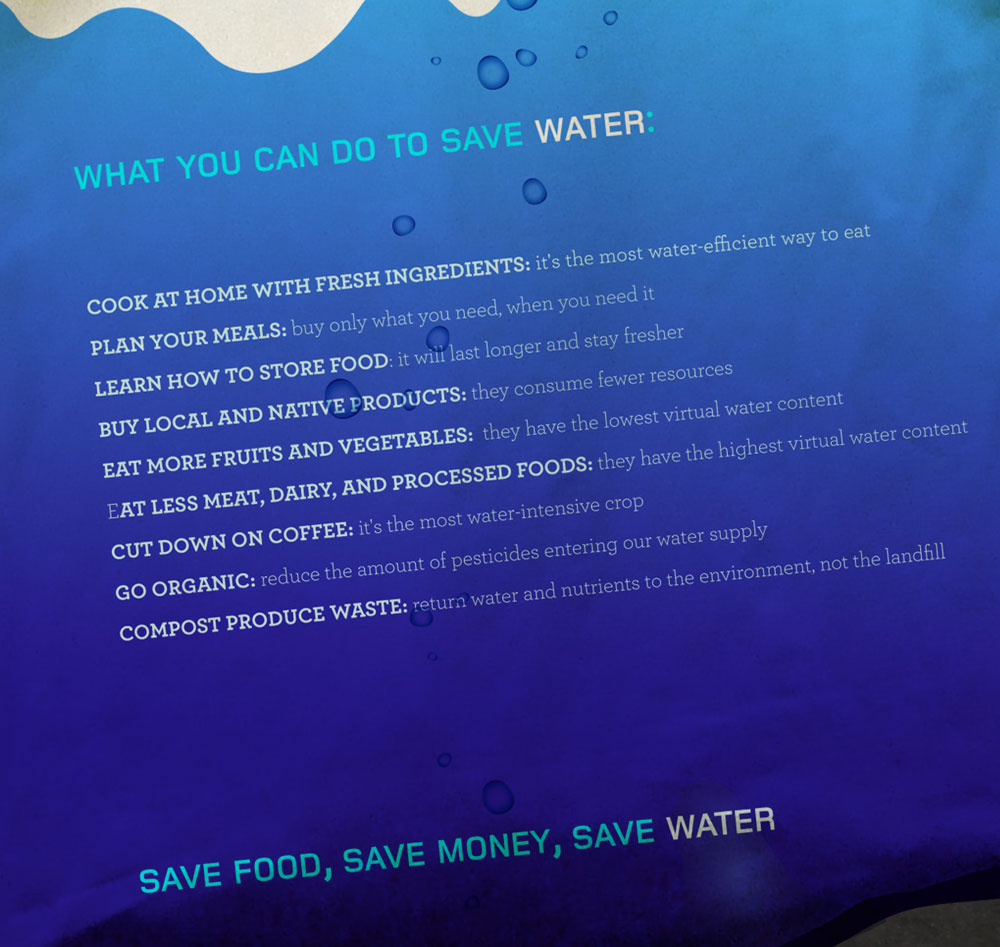
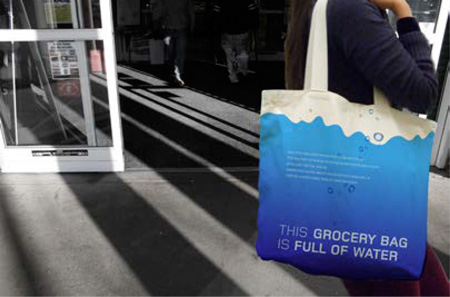
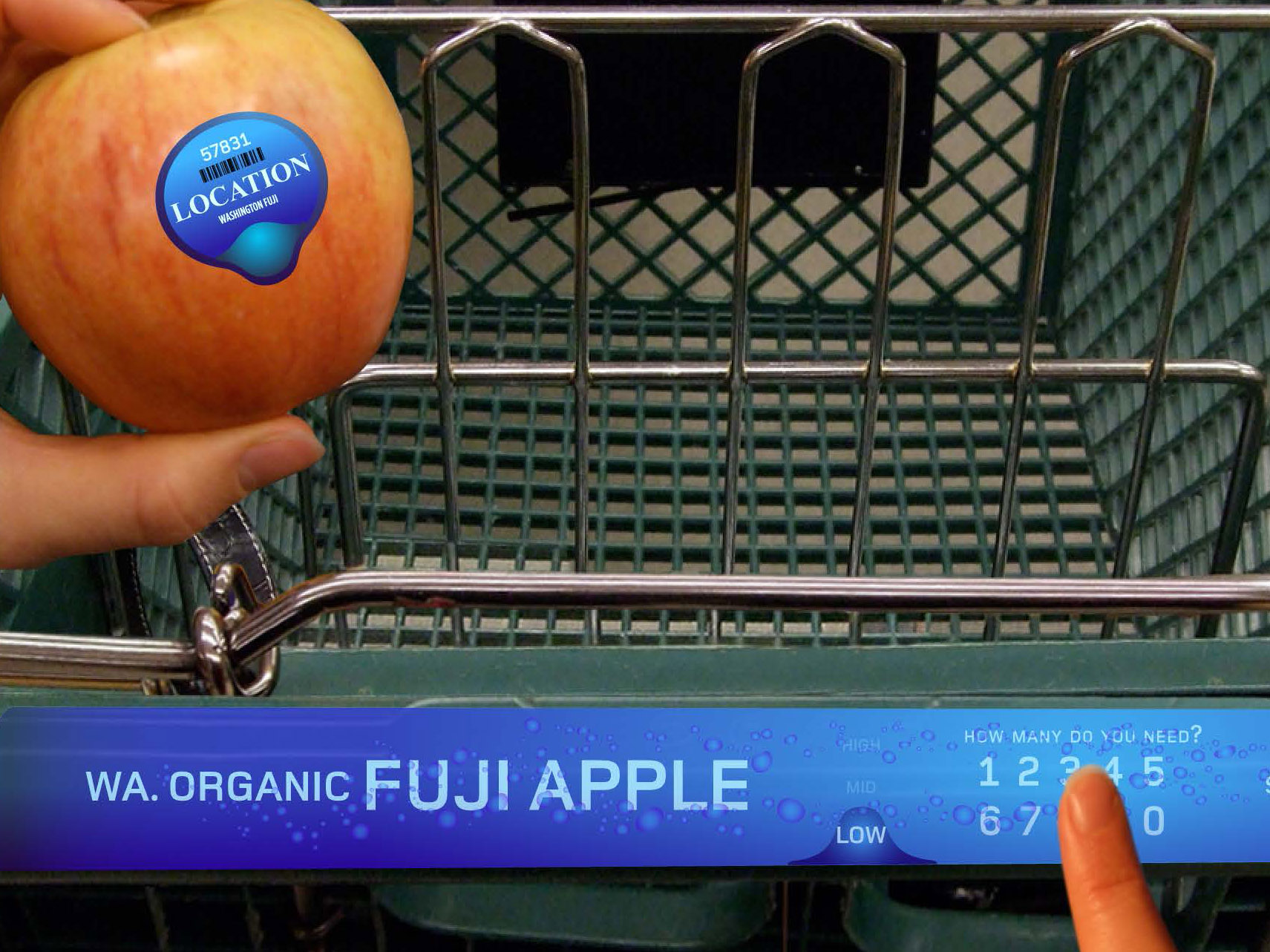
Our goal is to change the experiential processes of purchasing food by explaining how environmentally friendly choices are more cost-effective for consumers. The campaign also introduces messages about the connections between food and water use, as well as strategies to cultivate more conscientious consumers. An interactive shopping cart system, color-coded produce labels and descriptive, compostable storage bags, information pamphlets and reusable shopping totes encourage consumers to choose fresh foods, and teach how to store food effectively.
Select another project
research / service
Master's Thesis
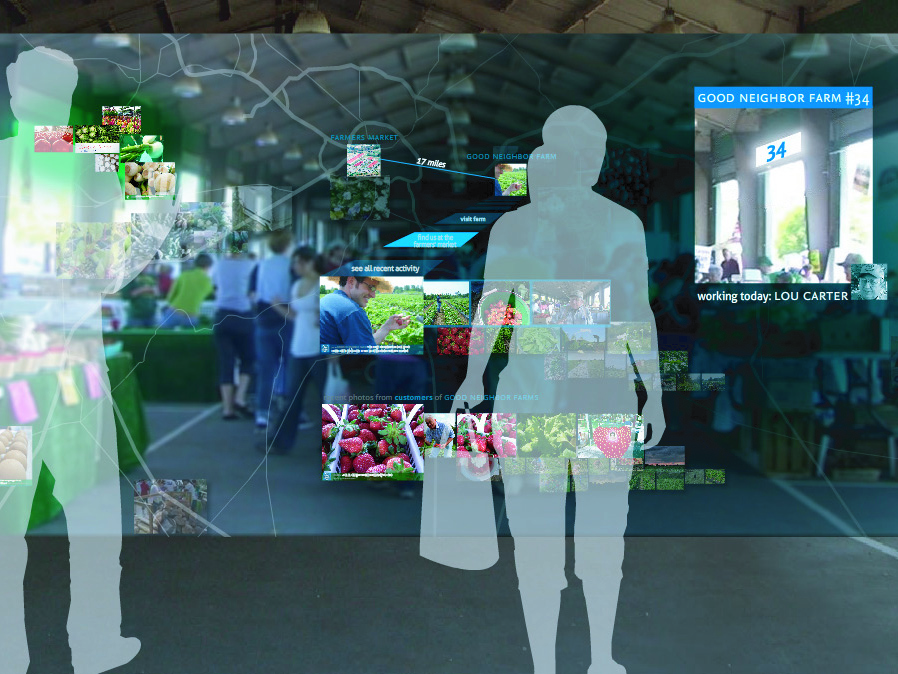
Leveraging social tools to build a sustainable food network
service
votesmartraleigh
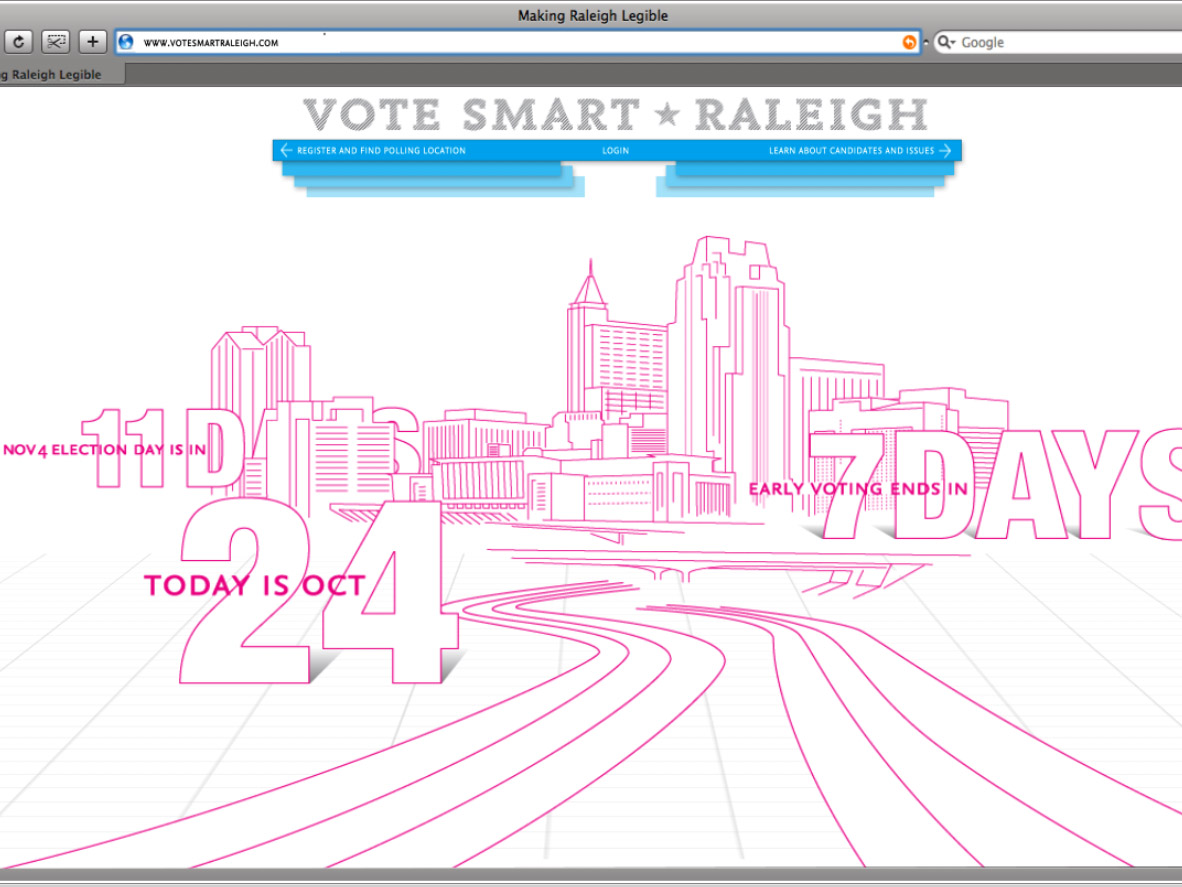
Orienting residents spatially & informationally to all aspects of the voting experience
research
the future of learning
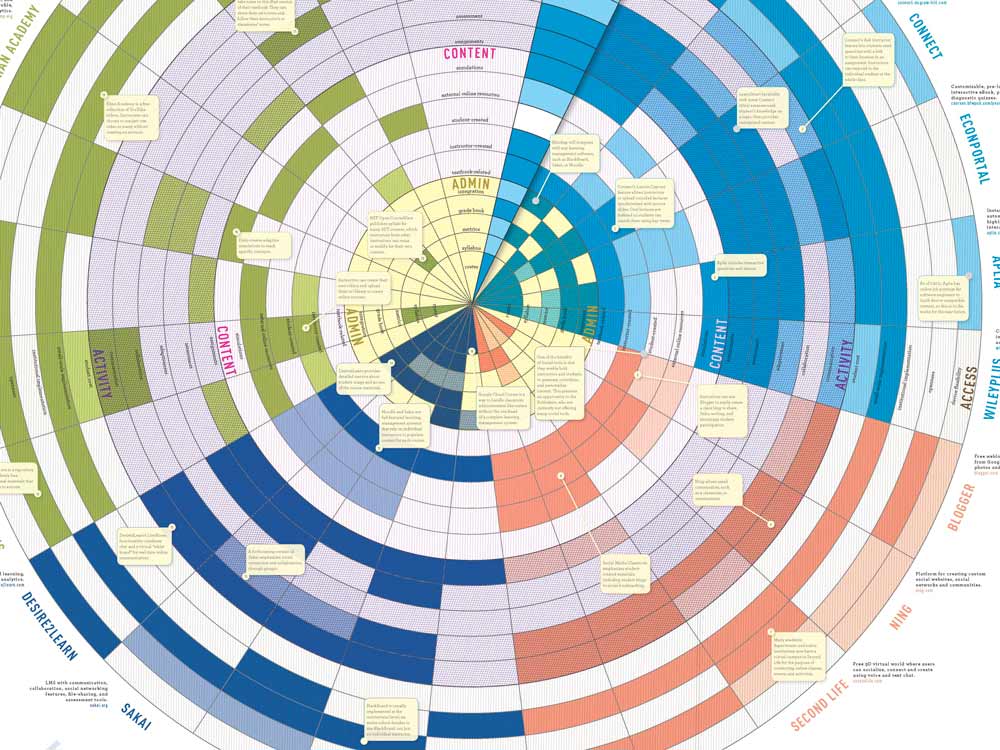
Investigating learners' habits, existing online learning tools, & assessing needs
interdisciplinary
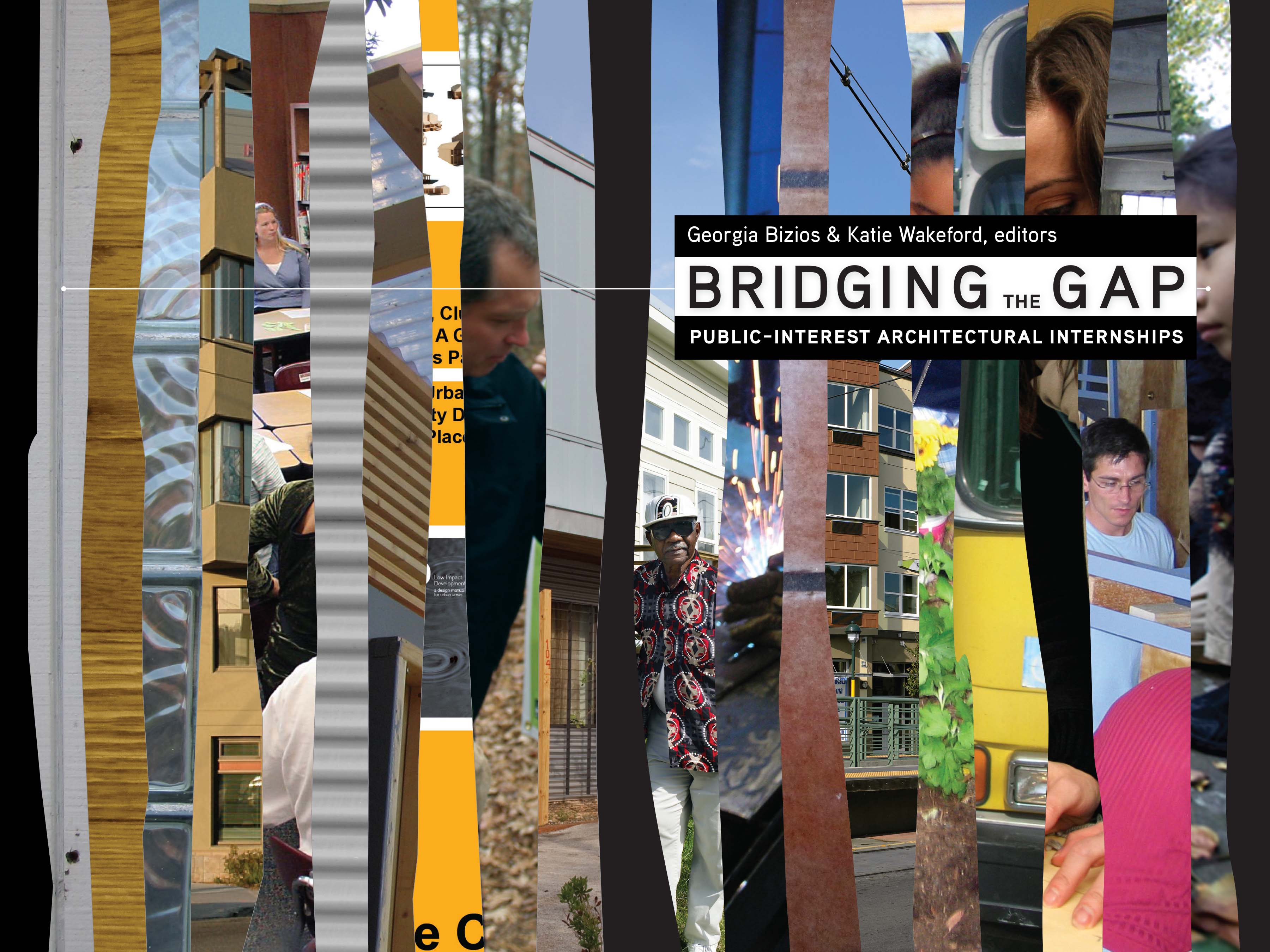
bridging the gap
Book & ebook about public-interest architecture co-designed with architects
microsite
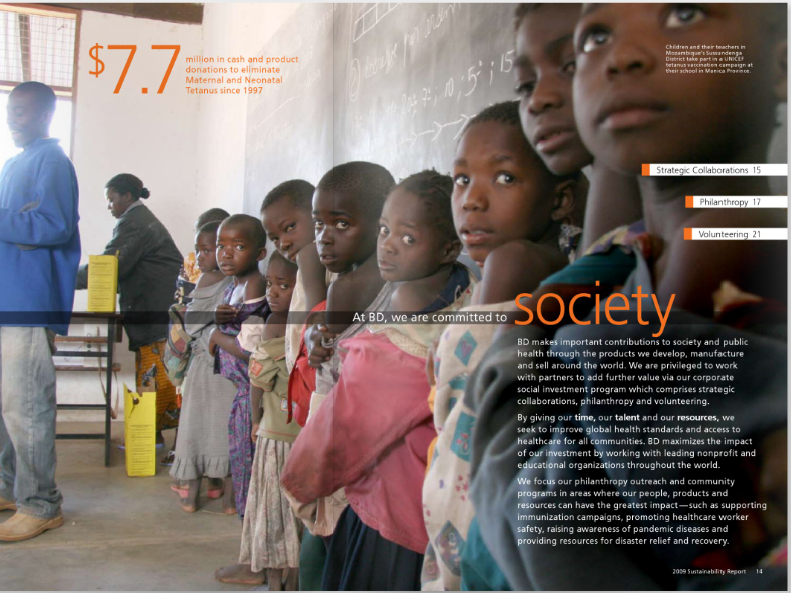
socialresponsibility
Corporate social responsibility microsite and companion ebook
research / workshop prompt
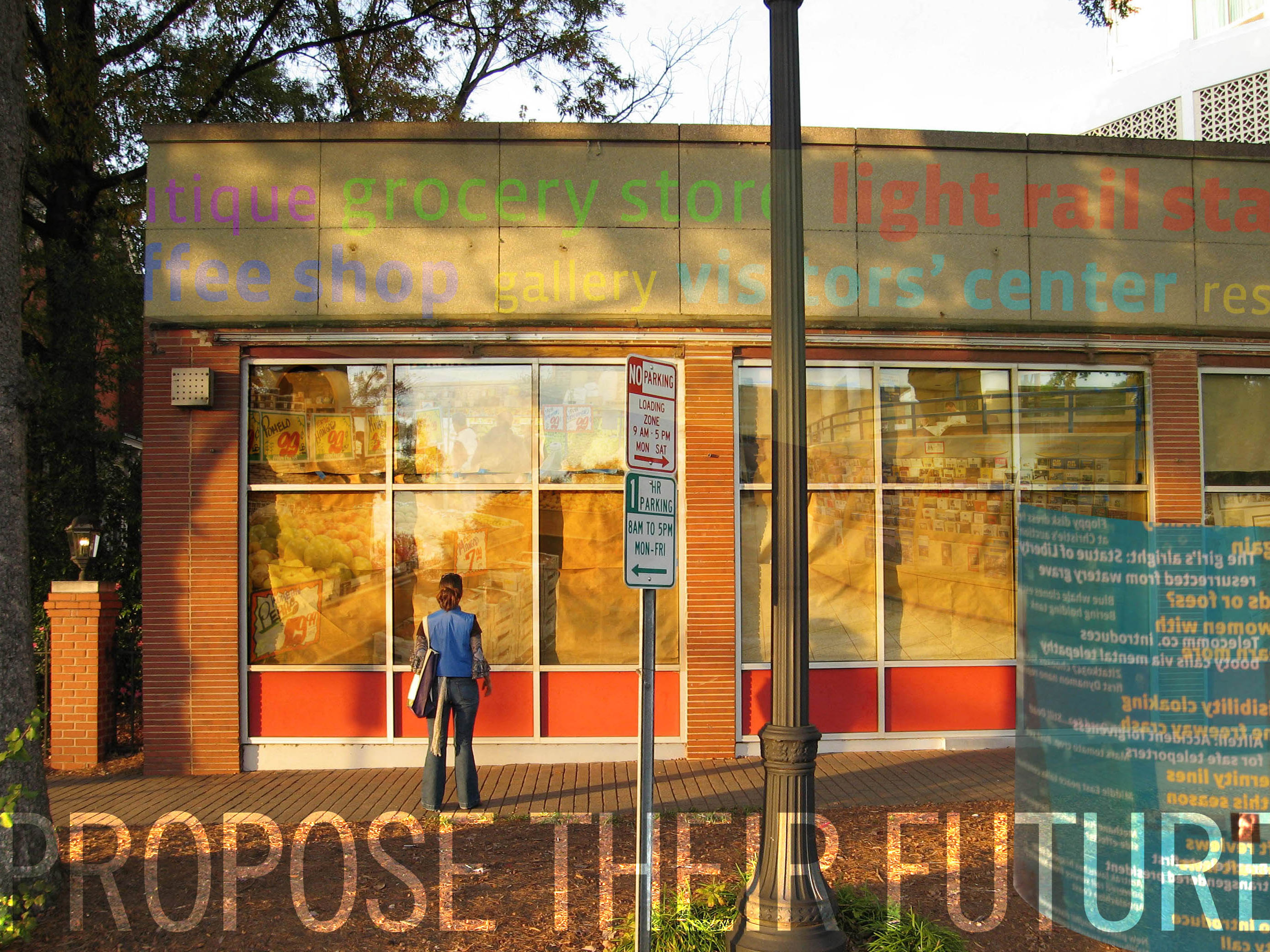
urban renewal
"What if these spaces were up for debate...and the public could propose their future?"
service
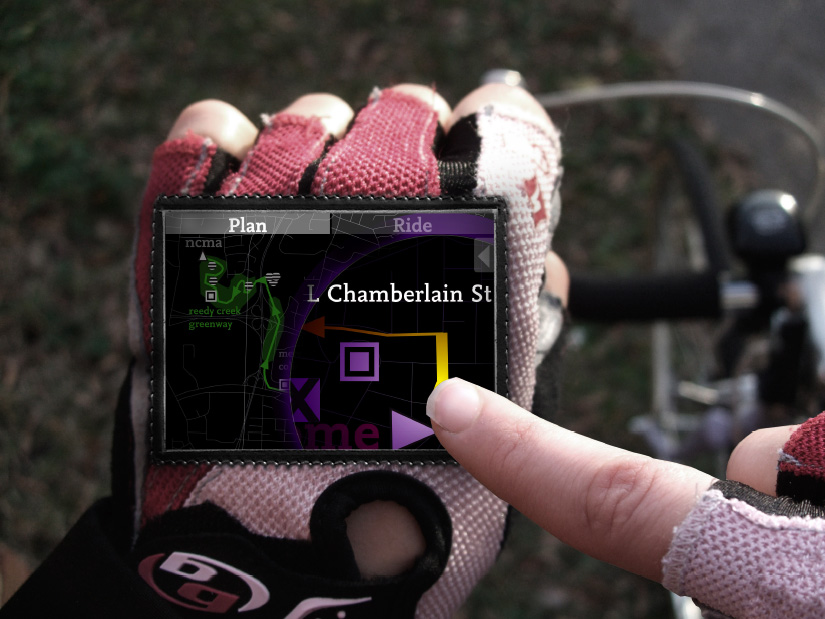
social cycle
A wearable, multi-sensory wayfinding system created by and for cyclists.
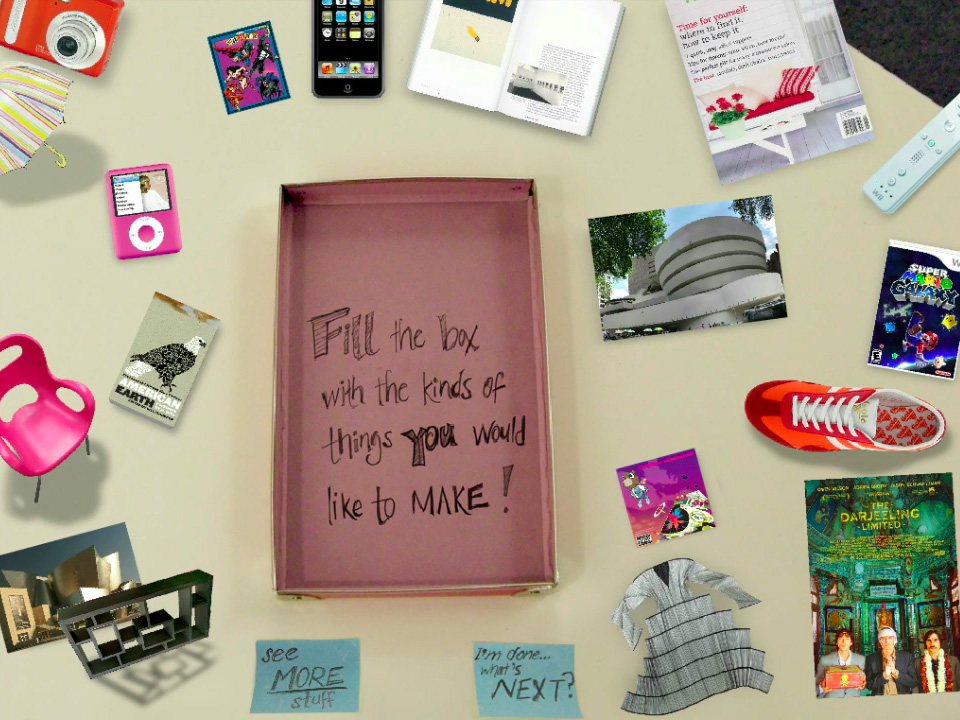
research / experience
design camp explorations
Studies in virtual and physical community-building among learners
YOU ARE HERE:
invisible water
Prompting consideration of water use in unexpected ways at the grocery store.
collaboration
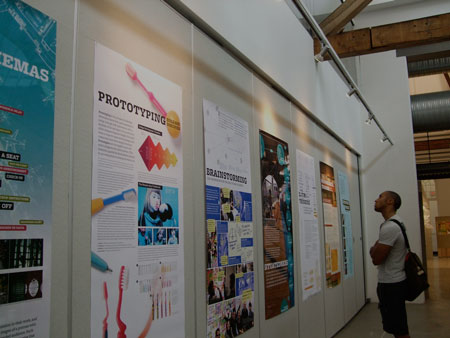
design thinking exhibition
In an effort to expose freshmen to Design Thinking, we designed an exhibiton about design. So meta.